Machinery on Hemp Farms – The Basics You Need

Are you interested in learning about the machinery used on a hemp farm?

In this article, we will explore the essential and optional machinery required for successful hemp farming.

We will also discuss the importance of proper machinery in terms of efficiency, cost-saving, and ensuring quality and consistency in the hemp production process.

Discover the types of machinery commonly used on hemp farms, as well as factors to consider when choosing the right equipment for your farm.

Whether you are a seasoned hemp farmer or just starting out, this article will provide valuable insights into the world of hemp farming machinery.

The Different Machinery Used on a Hemp Farm
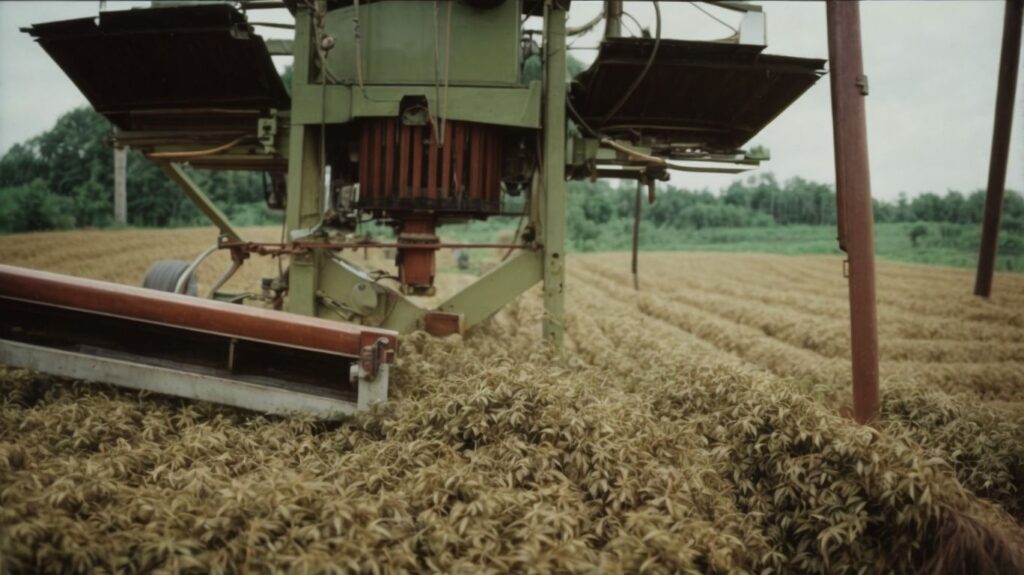
machinery on a hemp farm

Machinery used on a hemp farm plays a crucial role in optimizing operations, enhancing efficiency, and ensuring successful cultivation and processing of hemp.

What are the Essential Machinery for Hemp Farming?

Essential machinery for hemp farming includes planting machines, processing machinery, and specialized equipment designed for hemp cultivation and farm operations.

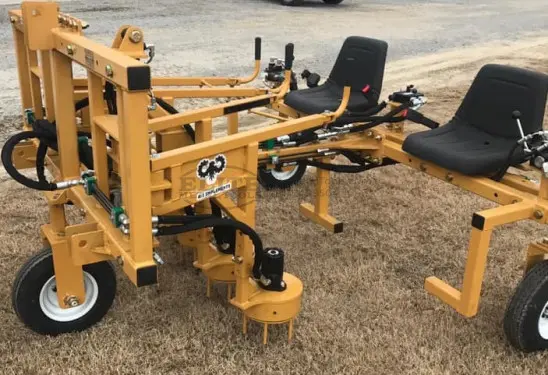
  1. Planting machines play a crucial role in precisely planting hemp seeds at optimal depths for germination, ensuring uniform crop patterns and efficient use of land.
  2. Processing machinery, such as decorticators and seed cleaners, are essential for separating hemp fibers and seeds, enabling the preparation of raw materials for industrial use.
  3. Specialized equipment like irrigation systems and harvesting tools contribute to maximizing crop yields and streamlining farm tasks, promoting sustainable and productive hemp farming practices that are vital for the successful cultivation of this versatile crop.

What are the Optional Machinery for Hemp Farming?

Optional machinery for hemp farming includes advanced technologies and automation systems that can enhance efficiency, streamline operations, and improve crop processing.

These technology upgrades allow farmers to optimize their planting, harvesting, and processing tasks, leading to higher yields and reduced manual labor requirements. Automated equipment such as planting machines, irrigation systems, and harvesting tools can significantly decrease the time and effort needed for each stage of hemp cultivation. These advancements not only boost productivity but also contribute to sustainability by minimizing waste and reducing the environmental impact of farming practices.

The Importance of Proper Machinery for Hemp Farming

Proper machinery is essential for hemp farming as it ensures reliable operations, sustainable production practices, and the integration of green technologies for efficient and mechanized farming processes.

Efficiency and Time-saving Benefits

Efficient machinery on a hemp farm offers time-saving benefits by optimizing crop harvesting, improving overall performance, and enhancing harvest efficiency for higher yields.

These advanced machines are designed to streamline the harvesting process, allowing farmers to cover larger areas in shorter timeframes. By efficiently cutting, collecting, and bundling the hemp plants, these tools significantly boost productivity. The precision and speed at which these machines operate not only save time but also ensure that the harvested crop maintains its quality. The enhanced efficiency means that labor costs are reduced, while output is maximized, ultimately leading to a more profitable and sustainable hemp farming operation.

Cost-saving Benefits

Proper machinery operation and maintenance provide cost-saving benefits on a hemp farm by reducing repair expenses, optimizing equipment performance, and maximizing machinery investment.

Efficient machinery operation and regular maintenance routines contribute significantly to cutting down on unexpected repair costs, as proactive care helps identify potential issues before they escalate. By ensuring that equipment is functioning at its peak efficiency levels, farmers can experience increased productivity and output without having to invest in new machinery. This means that by implementing strategic maintenance schedules and operational best practices, hemp farmers can protect their initial machinery investments and extend the longevity of their equipment, leading to long-term savings and sustainable farming practices.

Ensuring Quality and Consistency

Reliable machinery on a hemp farm ensures quality and consistency in hemp processing, enhances safety during field operations, and promotes a streamlined and efficient workflow.

This machinery plays a crucial role in maintaining a high standard of production and output in the hemp industry. By automating tasks like planting, harvesting, and processing, it reduces the margin of error and increases overall efficiency. It also minimizes the physical strain on workers, leading to a safer working environment. The reliability of these machines ensures that each step of the production process is carried out with precision, resulting in a consistent end product that meets quality standards. In the fast-paced world of hemp cultivation, having dependable machinery is essential for meeting market demands and ensuring profitability.

Types of Machinery Used on a Hemp Farm

Various types of machinery are utilized on a hemp farm, including tractors, combine harvesters, planting machines, processing equipment, irrigation systems, and storage/transportation tools to streamline farm operations and ensure efficient processes.

Tractors and Tillage Equipment

Tractors and tillage equipment are essential on a hemp farm for tasks such as soil preparation, planting operations, and overall farm management, often sourced from reputable machinery suppliers.

These machines play a crucial role in hemp farming by facilitating efficient land cultivation, improving soil structure, and enhancing crop yields. Tractors are versatile, capable of pulling various implements like plows, cultivators, and seeders, while tillage equipment helps break up compacted soil and manage weeds. Investing in high-quality machinery ensures smooth operations and maximizes productivity on the farm. Reliable suppliers offer a range of options, from compact tractors suitable for small-scale operations to larger models for commercial hemp cultivation, providing farmers with choices tailored to their specific needs.

Planting and Seeding Equipment

Planting and seeding equipment facilitate precise and efficient crop cultivation on a hemp farm, incorporating advanced technologies for precision agriculture and optimal seeding practices.

This equipment plays a vital role in ensuring that hemp farmers can achieve consistent plant spacing and seeding depth, which are crucial factors in maximizing crop yields. By leveraging cutting-edge technologies such as GPS guidance systems and variable rate seeding, farmers can enhance the accuracy and efficiency of their planting operations. This level of precision not only improves the overall quality of the crop but also contributes to resource conservation and sustainable farming practices. The integration of advanced equipment allows for better management of inputs such as water, fertilizers, and pesticides, leading to cost savings and environmental benefits for hemp cultivation.

Harvesting Equipment

Harvesting equipment plays a vital role in efficient crop harvesting on a hemp farm, with options for machinery upgrades to enhance harvest efficiency and optimize operations.

Investing in high-quality harvesting equipment can significantly boost the productivity and profitability of a hemp farm. The right machinery upgrades, such as advanced combines or automated harvesters, can streamline the harvesting process, reducing labor costs and minimizing crop loss. To further improve harvest efficiency, farmers can implement strategic timing for harvesting, ensuring that the hemp plants are at their peak yield before harvesting. Proper maintenance and calibration of harvesting equipment are also crucial for maximizing performance and ensuring a smooth harvesting operation.

Drying and Processing Equipment

Drying and processing equipment are critical for efficient hemp processing on a farm, requiring reliable machinery to ensure smooth crop processing and high-quality hemp production.

This equipment plays a crucial role in streamlining the overall process, from harvesting to packaging. Proper drying of hemp flowers and leaves is essential to maintain the desired cannabinoid content and prevent mold formation. Investing in top-notch processing equipment can significantly boost productivity and reduce losses. Farmers rely on advanced machinery for tasks like decortication, fiber separation, and seed processing, ensuring that every part of the hemp plant is utilized efficiently. High-quality production is not just about quantity but also about consistency and meeting stringent industry standards for hemp products.

Irrigation Equipment

Irrigation equipment, including advanced systems and technology, plays a crucial role in maintaining optimal soil moisture levels on a hemp farm, requiring regular maintenance to ensure consistent performance.

By investing in state-of-the-art irrigation technology, farmers can efficiently control the water distribution and timing, leading to improved crop yield and quality. Proper maintenance of the irrigation systems is essential to prevent clogging, leaks, or other malfunctions that could affect the irrigation process. These advancements aid in water conservation efforts by optimizing water usage and minimizing waste. The ability to fine-tune irrigation systems based on specific soil moisture needs enhances crop health and reduces the risk of overwatering or under-watering, ensuring the sustainability of hemp cultivation practices.

Storage and Transportation Equipment

Storage and transportation equipment are essential components of hemp processing technology on a farm, often sourced from reputable manufacturers to ensure efficient utilization and seamless operations.

These tools play a crucial role in the entire process, from harvesting to packaging. Properly designed equipment helps in maintaining the quality of the harvested hemp, preserving its valuable properties. Reliable storage solutions prevent any moisture-related issues that could compromise the crop. When it comes to transportation, the right machinery ensures that hemp is moved safely and quickly, minimizing any damage. Farmers rely heavily on these specialized tools to streamline their operations and meet the demands of the industry.

Factors to Consider When Choosing Machinery for Hemp Farming

When selecting machinery for hemp farming, factors such as the size and scale of the farm, types of hemp grown, budget considerations, machinery performance, and availability/accessibility of equipment play crucial roles in decision-making for optimal operations.

Size and Scale of Farm

The size and scale of a hemp farm influence machinery operation, productivity levels, and the need to source equipment from reliable suppliers to meet operational demands effectively.

When considering the impact of farm size on machinery operations, it becomes apparent that larger hemp farms often require more specialized and efficient equipment to handle the increased workload. With larger acreage to cover, the productivity outcomes are directly linked to the reliability and performance of the machinery used. Sourcing equipment from trustworthy suppliers is crucial not only for ensuring the smooth functioning of the farm but also for long-term cost-effectiveness and maintenance efficiency.

Types of Hemp Grown

The specific types of hemp grown on a farm dictate the machinery requirements, market considerations for farm machinery, and cultivation practices tailored to the unique needs of different hemp varieties.

For instance, industrial hemp grown for fiber production typically requires specialized equipment such as decorticators to efficiently extract fibers from the stalks. On the other hand, hemp cultivated for CBD extraction may necessitate machinery like CBD-specific harvesters and drying equipment to preserve the valuable cannabinoids. Understanding these distinctions is crucial for farmers to stay competitive in the evolving hemp industry landscape, where market trends often dictate the need for machinery that can streamline processes and optimize yield.

Budget and Cost

Budget and cost considerations impact machinery maintenance, investment decisions, and the overall equipment maintenance strategies implemented on a hemp farm to optimize operational expenses.

This financial constraint directly influences the frequency of maintenance checks performed on essential equipment, as farms with limited budgets may prioritize preventive maintenance over reactive repairs to avoid costly breakdowns.

The choice of machinery investments is carefully evaluated, with a focus on selecting durable and efficient equipment that requires minimal maintenance, thus reducing long-term operational costs.

Effective equipment maintenance plays a vital role in managing operational expenses efficiently, ensuring that the farm can operate smoothly within its financial constraints while maximizing productivity and output.

Maintenance and Repair

Routine maintenance and repair procedures are vital for ensuring machinery performance, reliability, and safety standards on a hemp farm, promoting operational efficiency and longevity of equipment.

Regular upkeep not only optimizes the functionality of the machinery but also reduces the risk of unexpected breakdowns during critical operations. By adhering to a scheduled maintenance plan, farmers can preemptively address potential issues, ensuring that the equipment operates at peak capacity when needed the most. This proactive approach not only enhances the overall reliability of the machinery but also contributes significantly to the safety protocols on the farm, reducing the occurrence of accidents and injuries related to malfunctioning equipment.

Availability and Accessibility

The availability and accessibility of machinery, both through reliable suppliers and rental services, are critical factors that influence farm operations, equipment procurement, and operational flexibility on a hemp farm.

Having easy access to a variety of equipment options allows farmers to swiftly address their changing needs and demands. Farms can benefit from the convenience of both purchasing machinery from reputable suppliers and utilizing rental services when specific equipment is required for short-term projects or seasonal demands. This flexibility enables farmers to optimize their resources effectively without having to invest heavily in equipment that may only be needed periodically.
Overcoming Challenges in Hemp Farming – Navigating The Road Ahead

Hemp farming has been gaining popularity in recent years due to its numerous benefits and potential for growth. Like any agriculture venture, there are challenges that farmers face when cultivating this versatile plant. From legal restrictions to pests and diseases, the obstacles can seem daunting.

In this article, we will explore the history of hemp farming, its benefits, and the environmental advantages it offers. We will also discuss the challenges farmers encounter and provide practical strategies to overcome them.

Discover the future prospects for hemp farming, including the growing demand for hemp products and advancements in farming technology. Join us as we delve into the world of hemp farming and learn how to navigate its challenges for a successful and sustainable future.

What is Hemp Farming?

Hemp farming involves the cultivation of the versatile hemp plant for various purposes, ranging from industrial uses to the production of CBD.

Being a highly sustainable crop, hemp farming has gained significant traction in agriculture due to its minimal requirement for pesticides and herbicides. Farmers often opt for hemp cultivation as it helps improve soil health through phytoremediation processes, making it an environmentally-friendly choice.

The crop management practices involved in hemp farming include monitoring moisture levels, nutrient supplementation, and weed control to ensure optimal growth. Beyond its agricultural benefits, hemp has diverse applications, including the production of textiles, biodegradable plastics, and paper products, showcasing its versatility and economic potential.

What is the History of Hemp Farming?

The history of hemp farming dates back thousands of years, with this versatile crop being utilized for various purposes by different civilizations.

Through the ages, hemp cultivation has played a crucial role in the development of societies around the world. Ancient cultures such as the Chinese, Egyptians, and Mesopotamians valued hemp for its medicinal properties, textile production, and nutritional benefits.

As civilizations advanced, so did the uses of hemp, from ropes and sails in maritime trade to paper and clothing in local economies.

Today, with a renewed focus on sustainable practices and environmental awareness, hemp farming is experiencing a renaissance, driven by innovative research and technologies that promote its cultivation as a valuable crop for the future.

What are the Benefits of Hemp Farming?

Hemp farming offers a range of benefits, including sustainable cultivation practices, diverse product applications, and environmental advantages.

Farmers who embrace hemp cultivation not only contribute to sustainable agriculture but also tap into a sector with immense potential for growth. The innovative techniques used in hemp farming enhance quality control, ensuring premium products for consumers. Obtaining certifications for hemp products assures consumers of the high standards adhered to during production. As awareness of the numerous benefits of hemp spreads, the market demand for hemp-derived goods continues to rise, creating new opportunities for farmers and businesses alike.

What are the Uses of Hemp?

Hemp has numerous uses across various industries, such as textiles, construction, nutrition, and wellness products, due to its versatility and sustainability.

In addition to these traditional applications, hemp is gaining traction for its potential in CBD production, offering a natural alternative for various health and wellness products. The legal landscape surrounding hemp cultivation and CBD extraction is evolving, paving the way for increased research and product development. Companies are tapping into the branding opportunities associated with hemp-derived products, as consumers are showing a growing interest in sustainable and eco-friendly options. The versatility of hemp as a raw material opens up avenues for innovative product formulations and sustainable practices.

What are the Environmental Benefits of Hemp Farming?

Hemp farming offers several environmental benefits, including soil health improvement, carbon sequestration, and reduced reliance on synthetic inputs.

The cultivation of hemp promotes agricultural practices that enhance soil structure and health. Hemp plants have deep roots that help loosen the soil and increase its aeration, which in turn aids in water retention and reduces soil erosion. By fostering resilient soil ecosystems, hemp farming contributes to the adaptation of crops to changing environmental conditions, making it a sustainable choice for farmers looking to maintain productivity while minimizing negative environmental factors.

What are the Challenges of Hemp Farming?

Hemp farming faces various challenges, ranging from legal restrictions to pest and disease management issues that can impact crop yields and quality.

Regulations surrounding the cultivation of hemp vary from region to region, adding complexity to the process for farmers.

Climate conditions also play a crucial role, as hemp thrives in specific environments that may not be readily available or easy to replicate.

Optimizing the harvest of hemp plants can be tricky, requiring careful planning and monitoring to ensure maximum yield.

Risk assessment is key in navigating these challenges, as unforeseen factors can affect the success of a hemp farm at any stage of production.

Legal Restrictions

Legal restrictions pose a significant challenge to hemp farming operations, impacting cultivation practices, market access, and product distribution.

To navigate through these obstacles, hemp farmers must prioritize compliance with regulations set forth by governmental bodies. By adhering to these rules, farmers can safeguard their operations, ensuring sustainability and legality in their practices.

Advocacy organizations play a crucial role in lobbying for more favorable legislations and regulations that support hemp cultivation. Staying informed and actively participating in advocacy efforts can help farmers push for change and create a more conducive environment for hemp farming.

Accessing support programs can provide valuable resources and guidance to stay updated on evolving laws and requirements.

Lack of Knowledge and Experience

A lack of knowledge and experience in hemp cultivation can hinder farmers from adopting best practices, implementing effective strategies, and achieving optimal harvest outcomes.

This challenge highlights the crucial need for education and training in the hemp farming industry. By equipping themselves with the right skills and information, farmers can navigate the complexities of cultivation more efficiently. Embracing technological advancements and conducting thorough research can further enhance their understanding of the crop. Collaborating with industry experts and engaging in knowledge sharing initiatives can also provide valuable insights and practical solutions to overcome obstacles in hemp farming. By actively seeking out opportunities to learn and improve, farmers can address knowledge gaps and ultimately improve their overall success in the industry.

Pests and Diseases

Pests and diseases present significant threats to hemp crops, requiring proactive management strategies, integrated pest control measures, and monitoring techniques to safeguard plant health.

Implementing effective crop management practices plays a vital role in mitigating the risks associated with pest infestations and diseases. By focusing on sustainable solutions such as promoting biodiversity in the hemp fields and utilizing natural predators to control pest populations, farmers can reduce the reliance on chemical pesticides. Adopting proper irrigation methods that promote healthy root development and overall plant resilience can help in preventing the onset and spread of diseases. These measures not only ensure a healthier crop but also contribute to the long-term sustainability of hemp farming.

Harvesting and Processing Difficulties

Harvesting and processing hemp can be challenging due to labor-intensive tasks, logistical issues, and the need for specialized equipment to optimize the yield and quality of the final products.

Efficient harvesting techniques play a crucial role in meeting the increasing market demand for hemp products. Implementing mechanized harvesting methods, such as swathers and combines, can significantly streamline the harvesting process, reducing labor costs and improving overall efficiency.

Integrating innovative processing technologies, such as decorticators and extraction machines, helps to maintain product quality while maximizing output. Quality control measures are essential to ensure compliance with industry standards and meet the rigorous expectations of the supply chain, emphasizing the importance of precision and consistency in every stage of harvest optimization.

How to Overcome These Challenges?

Overcoming challenges in hemp farming requires a multi-faceted approach that includes staying informed on regulations, seeking expert guidance, implementing pest management strategies, and investing in the right equipment.

In addition to these foundational steps, embracing innovation and technology plays a crucial role in enhancing productivity and sustainability in hemp cultivation. Farmers can leverage cutting-edge tools such as drones for crop monitoring, automated irrigation systems for efficient water usage, and genetic testing for optimizing seed selection.

Conducting thorough risk assessments to proactively identify and mitigate potential threats, such as crop diseases or adverse weather conditions, is also essential for safeguarding harvest yields. Collaboration with other farmers and industry experts fosters knowledge exchange and collective problem-solving, further bolstering resilience within the hemp farming community.

Stay Up to Date on Hemp Laws and Regulations

Staying up to date on hemp laws and regulations is crucial for farmers to ensure compliance, mitigate legal risks, and leverage opportunities within the regulatory framework.

Regulatory compliance in hemp farming goes beyond just following rules; it is about securing market access, protecting financial resources, and advocating for fair regulations. Farmers must navigate a complex landscape of evolving laws, requiring a deep understanding of legal considerations. Advocacy efforts play a key role in shaping policies that support the growth of the hemp industry and ensure a level playing field. By staying informed and actively participating in discussions around regulations, farmers can position themselves for success in this dynamic market.

Seek Out Expert Advice and Training

Seeking expert advice and training can help hemp farmers enhance their knowledge, adopt best practices, and develop effective strategies for overcoming challenges in cultivation and processing.

Research shows that hands-on education from experienced professionals is crucial for those in the hemp farming industry to bridge their knowledge gaps and stay ahead of evolving practices. Collaboration with specialists and peers allows for the sharing of diverse perspectives and innovative solutions. By actively engaging in continuous learning and skill development, farmers can align their operations with the latest industry trends and advancements, ultimately leading to improved crop yields and quality.

Implement Pest and Disease Management Strategies

Implementing effective pest and disease management strategies is essential for safeguarding hemp crops, ensuring plant health, and maximizing yield potential.

One of the key components of integrated pest control measures in hemp farming involves promoting soil health through sustainable practices such as crop rotation and cover cropping.

By maintaining a healthy soil ecosystem, the natural balance of pests and beneficial insects can be enhanced, reducing the need for chemical interventions.

Monitoring techniques like regular scouting and trap crop deployment help in identifying pest populations early, allowing for targeted interventions.

Combined with efficient irrigation methods and proper crop management, these approaches contribute to a more sustainable and environmentally friendly pest management system in hemp cultivation.

Invest in Proper Harvesting and Processing Equipment

Investing in appropriate harvesting and processing equipment is crucial for streamlining operations, improving efficiency, and maintaining quality standards in hemp production.

By embracing modern technology and innovative machinery upgrades, hemp farmers can significantly enhance their crop yields while ensuring consistent quality control measures throughout the entire production process. Advanced equipment allows for increased precision and accuracy in planting, irrigating, and harvesting, resulting in better utilization of resources and reduced waste. Implementing these high-tech solutions not only simplifies tasks for farmers but also opens up avenues for greater automation and optimization of workflows, ultimately leading to higher overall production efficiency and profitability in the rapidly evolving hemp industry.

What are the Future Prospects for Hemp Farming?

The future prospects for hemp farming look promising, driven by growing market demand, technological advancements, and potential government support for sustainable agricultural practices.

Consumer preferences towards sustainable products are also contributing to the rise of hemp as a versatile and eco-friendly crop. Industry trends indicate increasing collaborations between hemp farmers and established agricultural companies to scale up production and enhance distribution networks. The availability of financial resources for hemp cultivation is expanding, offering more opportunities for farmers to invest in research, equipment, and market expansion strategies. These developments, coupled with potential policy incentives, are positioning hemp farming for substantial growth in the near future.

Growing Demand for Hemp Products

The increasing demand for hemp products across various sectors, including textiles, wellness, and food, indicates a lucrative market opportunity for hemp farmers and businesses.

Consumer awareness about the benefits of hemp-derived products has played a significant role in driving this market growth. As more people become aware of the sustainable and versatile nature of hemp, there is a shift towards cleaner and greener alternatives. Despite the growing interest, challenges in market access still persist due to regulatory restrictions and misconceptions surrounding hemp. To tackle this, businesses are focusing on strategic branding strategies to educate consumers and differentiate their products in a crowded market space, ultimately driving product development and innovation for the industry.

Advancements in Farming Technology

Technological advancements in farming practices, such as precision agriculture, IoT solutions, and automated machinery, are poised to revolutionize hemp cultivation and processing methods.

These innovations have opened up new possibilities for enhancing crop management strategies, optimizing irrigation systems, and upgrading harvesting techniques in the hemp industry. For instance, through ongoing research and development, advanced sensors and AI algorithms are being utilized to monitor plant health, detect nutrient deficiencies, and predict optimal harvest times. This integration of technology not only improves efficiency but also contributes to sustainable agricultural practices by reducing water usage and minimizing waste. Automation plays a significant role in streamlining tasks and increasing productivity, allowing farmers to focus on strategic decision-making and overall farm management.

Potential for Government Support and Incentives

The potential for government support and incentives, such as subsidies, grants, and research funding, can bolster the growth and sustainability of the hemp farming industry.

Government backing plays a pivotal role in promoting hemp farming through various policy initiatives that streamline regulations and provide a conducive environment for farmers to cultivate and market their products. Financial resources allocated by the government contribute to the development of support programs that assist hemp growers in adopting sustainable practices and expanding their operations.

Collaboration between government agencies, industry stakeholders, and advocacy groups is essential in shaping favorable policies and addressing challenges faced by the hemp industry. By staying informed about industry trends and engaging in advocacy efforts, governments can further enhance the viability and success of hemp farming as a sustainable agricultural practice.

Frequently Asked Questions

What are the common challenges faced in hemp farming?

There are several challenges faced in hemp farming, including climate conditions, pest and disease management, lack of knowledge and infrastructure, and strict regulations. These challenges can significantly impact the success of a hemp farm and require careful planning and management to overcome.

How can I overcome climate challenges in hemp farming?

Climate conditions can be a major hurdle in hemp farming, as the plant requires specific temperature, humidity, and sunlight conditions to thrive. To overcome this challenge, farmers can use techniques such as greenhouse cultivation, irrigation systems, and planting during ideal weather conditions. Proper soil preparation and crop rotation can also help mitigate the effects of extreme weather.

What are some effective pest and disease management strategies for hemp farming?

Pest and disease control is crucial in ensuring a healthy hemp crop. Some effective strategies for managing these challenges include using natural predators, implementing crop rotation and intercropping, regular scouting and monitoring for signs of infestation, and using organic and biodegradable pesticides and fungicides.

How can I improve my knowledge and skills in hemp farming?

Lack of knowledge and expertise in hemp farming can be a significant challenge for new farmers. To overcome this, farmers can attend workshops and training programs, network with experienced hemp growers, and seek guidance from agricultural extension services. It is also essential to stay updated on the latest research and techniques in the industry.

What should I consider when dealing with strict regulations in hemp farming?

Hemp farming is subject to strict regulations, particularly in areas where it is a newly legalized crop. To navigate this challenge, farmers must educate themselves on local laws and regulations, obtain the necessary permits and licenses, and adhere to best practices to ensure compliance. Building relationships with local authorities and community members can also help overcome regulatory challenges.

What infrastructure is needed for successful hemp farming?

Having the right infrastructure is crucial in overcoming challenges in hemp farming. This includes proper irrigation systems, storage facilities, drying and processing equipment, and transportation capabilities. Farmers must carefully plan and budget for these infrastructural needs to ensure a smooth and efficient operation.

The Economic Impact of Hemp Farming a Growing Industry

Hemp can thrive in many climates. As a renewable resource, hemp uses less water than cotton while needing fewer pesticides; making it both eco-friendly and profitable for farmers who seek profitable crops.

Farming hemp crops is essential, so farmers must do their homework when selecting markets where to sell it and reliable processors and buyers are located.

1. It is a renewable resource

As well as providing farmers with an income source, hemp farming also has numerous environmental advantages. Its dense leaves help prevent soil erosion and chemical fertilizer consumption, improving topsoil quality. Furthermore, hemp breaks the cycle of diseases that destroy crops while supporting beneficial insects that protect biodiversity; its rapid growth and shade capacity inhibit weeds while improving plant health.

Hemp plants have the unique capability of quickly absorbing heavy metals and contaminants from soil faster than any other crop, helping reduce their spread to air and water sources. Cotton emits dioxins which cause health issues while contributing to pollution in Great Lakes region whereas hemp absorbs dioxin levels from polluted soil while simultaneously decreasing dioxin emissions into surrounding environment. Hemp’s ability to thrive even in heavily polluted environments enables sustainable production chains that improve rural economies while protecting environment.

Hemp has numerous environmental advantages. One such benefit is its use as a multifunctional material that reduces pesticide and chemical consumption compared to synthetically grown crops that rely on pesticides to ward off disease and insect damage, while cultivation of hemp may use organic techniques that have minimal environmental impacts.

Industrial hemp can be harvested to provide various raw materials, including fiber and construction materials, bioplastics and biofuels. Furthermore, its energy output per acre exceeds other conventional crop plants, making it ideal for biomass fuels production.

Hemp is a sustainable renewable resource, due to its fast growth and limited need for pesticides or fertilizers. Paper mills could use hemp instead of wood pulp as it creates less greenhouse gases and save energy while decreasing carbon dioxide emissions by replacing wheat straw with hemp instead. According to research done at University of Wisconsin-Stevens Point, hemp could replace wheat straw as the alternative substrate used for paper production, providing energy savings while decreasing emissions from papermaking operations.

2. It is a good source of protein

Hemp is an excellent source of protein because its many uses make it suitable for almost every circumstance, while being much healthier than meat-based sources like that found in processed food and fast foods. Furthermore, hemp cultivation requires significantly fewer resources than most crops to thrive – it uses less water, fertilizers, pesticides, soil depletion or pollution; providing ample oxygen which benefits our planet in turn.

Hemp offers tremendous potential to both farmers and the economy alike, with three of its primary markets for industrial hemp being packaged food and beverage (USD 4837 billion), textiles (1587 billion) and beauty and personal care (503 billion). Plus it can be grown almost anywhere around the globe without needing as much irrigation than other crops!

Hemp has deep roots that help prevent soil erosion and retain moisture, which is particularly helpful in areas prone to drought or water scarcity. Furthermore, its growth is more resistant to frost than other plants and requires fewer pesticides; its seeds are consumed as nutritious snacks or used for food products.

Cultivation of hemp provides many economic advantages for countries, including creating local value chains in rural communities and providing employment and increasing incomes in agricultural sectors – especially developing ones. Hemp should be explored further as one such plant that can produce industrial outputs with little impact on the environment – it could become one of the major crops in future!

3. It is a good source of fiber

Hemp can produce an exceptional fiber yield per acre and requires far fewer pesticides to grow than cotton, due to its plant structure which makes it resistant to insect damage. Furthermore, hemp grows well across climate zones, making it the perfect crop for farmers dealing with difficult growing conditions like extreme heat or rainfall.

Hemp cultivation can be environmentally and economically advantageous to developing countries, both ecologically and economically. With its easy cultivation process and vast market potential, hemp can help farmers and rural communities increase incomes and develop their rural economies. Furthermore, hemp can be used to make numerous products including health foods, organic body care items, clothing and construction materials.

As the hemp industry expands, jobs will be created across its supply chain: processing and manufacturing to sales and marketing. This growth will provide small farmers an excellent opportunity to enter this expanding market while simultaneously helping reduce emissions from harmful chemicals and fossil fuels.

Hemp-based paper is cheaper and more durable than its competitors, while using less water for cultivation and producing less greenhouse gases; this will decrease resource requirements such as wood as well as energy costs.

Hemp is an ideal candidate for sustainable agriculture as it consumes less land and water than other plants, while providing natural soil cover to prevent erosion. Plus, hemp grows quickly enough that harvesting within three weeks after germination may help break disease cycles in other crops while also decreasing chemical herbicide costs and environmental harm.

4. It is a good source of oil

Hemp oil has many applications and makes an ideal replacement for petroleum and diesel fuel, among other sources of oil. Furthermore, hemp can improve energy efficiency as its yield per acre surpasses other crops while needing less fuel to cultivate; further reducing greenhouse gas emissions in addition to being good for the environment.

Hemp can also be used to produce bio-based building materials, which are more durable than their conventional counterparts and resistant to fire, water, pests, lightweight construction methods and sustainability – even one major paper company is planning to switch 90% of their world feedstock from wood to hemp by 2025!

Hemp is an eco-friendly alternative to cotton that produces large ecological impacts, being easily grown on marginal land with its deep-penetrating roots that penetrate soil to provide vital nutrients while simultaneously improving field tilth and using less fertilizer than other crops. Furthermore, hemp can even help remove excess nitrogen from fields and prevent agricultural runoff.

Hemp offers multiple benefits to farmers beyond its environmental advantages. Its dense growth makes harvesting easier while restricting weed growth – saving both time and money in harvesting efforts. Furthermore, hemp’s drought-resilience makes it suitable for harsh climates.

Hemp is an ideal low-input crop that requires minimal fertilizer and water inputs for cultivation, and can even serve as an effective phytoremediator in salinized areas. Furthermore, hemp makes for an attractive rotation crop option in areas experiencing drought or water shortage.

5. It is a good source of energy

Sustainable development goals emphasize the need to explore plants that offer industrial outputs while having minimal impacts on the environment. Hemp is an excellent candidate in this regard; its rapid growth requires less water and pesticide usage than cotton while it can be used for textiles, paper products, building materials, etc. Additionally, hemp thrives across climate zones making it an excellent addition to crop rotation plans.

Hemp farming also contributes to improving soil quality. Cash crops typically deplete nutrients from soil, necessitating farmers to regularly add chemical fertilizers. Hemp is easier on the earth’s resources, returning up to 60% of those nutrients back into its core. Furthermore, hemp helps aerate soil more thoroughly so it is more conducive for future plantings.

Hemp is an excellent bio-fuel source. Producing up to 8,000 BTU per pound of biomass, hemp can provide an alternative energy source without producing any harmful emissions such as sulphur oxides during combustion – making it a cleaner source of power.

Hemp has proven itself an effective alternative to wood for paper production. Hemp paper is stronger and more durable than its wood counterpart, and can be recycled multiple times without losing quality or losing its integrity. Furthermore, hemp production costs less than cotton while leaving less of an environmental footprint behind. Furthermore, hemp has also proven useful as bio-based construction material that withstands natural disasters like earthquakes and hurricanes more effectively while remaining lightweight and fireproof.

The Resurgence of Hemp Farming

Hemp is a sustainable crop with multiple industrial applications that can help us become less dependent on fossil fuels and cotton.

Hemp can also help restore soil that has become polluted. Being an easy plant for sustainable farmers to incorporate into their rotation plans, hemp makes an effective tool in remediating polluted ground.

1. Hemp is a sustainable crop

Hemp is a sustainable crop that requires minimal fertilizers or pesticides for cultivation, yet remains environmentally-friendly and versatile in use. Hemp farming helps revitalize soil; hemp roots penetrate deeply into the ground to aerate it, thus reducing erosion and improving conditions in your yard. Furthermore, hemp plants can be used to make paper and textile products – potentially replacing wood pulp with hemp pulp could significantly lower our dependency on forests!

One large paper company recently stated that, should hemp become legalized in the US, they will switch 45% of their feedstock production over to hemp within five years – this will lessen their need for forest-based raw materials while creating positive climate change effects.

Hemp is an abundant source of fiber and bioplastics. Hemp-based bioplastics are much more eco-friendly than petroleum-based plastics because they do not release toxic chemicals into the environment, while it is a fast growing renewable resource that can be grown quickly.

Hemp is an annual plant that can reach heights of 5 metres (16 feet). Its hollow canelike stalks, bearing greenish yellow flowers in spike-like clusters on pistillate female plants and pollen-producing flowers in many-branched clusters on staminate male ones, reach 5 metres (16 feet).

2. It is a renewable resource

Hemp’s use in textiles, paper and building materials is often more sustainable than using its traditional counterparts. Furthermore, hemp acts as an excellent phytoremediator that can remove contaminants from soil. Furthermore, hemp plants biodegrade quickly which reduces needless chemicals used in agriculture – something which benefits both humans and the planet alike.

Industrial pulp production involves using trees such as pine, eucalyptus and spruce as sources of fiber; however, this can result in deforestation and biodiversity loss. Hemp offers an alternative that requires less water consumption for growth while growing quickly without needing pesticides or fertilizers; hence making for an extremely cost-efficient crop.

Hemp is an excellent source of biomass energy production. An acre can yield up to one thousand gallons of methanol – an environmentally-friendly alternative to fossil fuel combustion.

Hemp is an invaluable crop that can have a profound effect on global development. By improving farmers’ lives, creating jobs, and contributing to sustainable development initiatives. Hemp’s revival could revolutionize our way of life while making this planet better for future generations. By encouraging cultivation of hemp crops we can reduce global warming emissions and foster an eco-friendly future.

3. It is a source of protein

Hemp seeds and protein provide a nutritionally dense combination of dietary fiber, omega-3 fats, vitamins, and minerals – including all nine essential amino acids to make them a complete protein source. Hemp seeds also provide the amino acid arginine which has been proven to support cardiovascular health while hemp protein contains both eicosapentaenoic acid (EPA) and docosahexaenoic acid (DHA) to help lower cholesterol.

Hemp protein is an easily digestible plant protein. It contains abundant quantities of essential amino acid lysine, which may be difficult to obtain through diet alone. Furthermore, hemp protein also boasts high amounts of cysteine for muscle formation and cell function as well as boasting an advantageous free sulfhydryl (-SH)/disulfide ratio making it more readily soluble under acidic conditions.

Hemp has been used for food consumption for millennia, and remains an integral part of many cultures today. The seed itself provides abundant nutrition while its oil has many health benefits – making hemp an excellent choice for vegetarians, vegans and those suffering from autoimmune disorders. Hemp farming could become legal in the U.S. if federal policy were changed accordingly – providing farmers, consumers and the environment with benefits simultaneously.

4. It is a source of CBD

Hemp is a rich source of CBD, an essential health-promoting compound. Hemp farming in the US has seen a resurgence due to demand for this compound that may serve as an alternative medication. However, not all hemp products are equal; concentration of CBD may differ and processing methods could affect nutritional values and functional properties of their respective hemp-based product.

Hemp has many potential uses, from food to paper to textiles. Its strong, long fibers are widely used in clothing production as well as rope manufacturing and building material construction. One of the fastest-growing plants, hemp can reach maturity within three or four months; during World War II, U.S. authorities produced a film called Hemp for Victory encouraging farmers to cultivate it as part of an initiative called Hemp for Victory to supply uniforms and cordage for ships using this crop.

Today, hemp is most often grown for its CBD production; however, other uses exist as well. Hemp seeds provide edible oil which is consumed widely across Asia; animal feed and cosmetic products also incorporate hemp seed oils as they contain significant amounts of omega-3 and omega-6 fatty acids in addition to being packed full of protein and minerals including magnesium, potassium, iron and zinc.

Hemp Farm Management – The Basics

Hemp is an ideal crop to cultivate if you are trying to combat disease in your field, while simultaneously protecting soil erosion by covering it naturally.

Hemp can tolerate both salty soil conditions and excessive humidity levels during growth. Prior to baling, however, hemp must be retted and dried down to 14% moisture content before baling is possible.

Soil Preparation

Soil quality is a cornerstone of hemp production systems. Hemp plants require well-drained, rich organic matter soil with an ideal pH range between 6.0 to 7.5, free from salts or heavy metals that could potentially compromise plant health.

Before hemp planting, farmers must clear away weeds and debris from their fields. Tilling lightly will loosen compacted soil and improve aeration while excessive tilling could damage its structure and lead to erosion; excessive tilling should therefore only be practiced sparingly. It is also important to add compost or other soil amendments before planting to improve airflow, increase fertility of the soil structure and decrease disease risks.

Hemp requires a balance of macronutrients, including nitrogen, phosphorus and potassium. Soil testing should be used to ascertain your specific soil nutrient needs; organic fertilizers like blood meal (13:1:0.6 NPK) and compost (2:0.5-1:2 NPK) may be utilized to supplement nitrogen needs of your crop.

Hemp is an annual photoperiod-sensitive crop with dioecious flowers produced on separate plants (dioecious). Male plants are harvested as seed while the female plant yields fiber to harvest as fiber production. As hemp matures it provides natural shade which reduces weed growth while simultaneously decreasing incidences of diseases and providing protection from soil erosion due to dense leaves on its plants.

Planting

Hemp is a dioecious crop, which means it produces both male and female flowers similar to soybeans that can be used for fiber or seed production. Hemp plants typically reach 1-m tall with their thin stems standing upright; after 60-90 days for fibre production or 90-120 depending on variety selection, mature hemp plants can produce harvestable fiber or seed yield.

Hemp requires adequate soil moisture at planting in order to achieve rapid germination and out-compete weeds, with primary (moldboard or chisel plow) and secondary tillage operations (disc or rotary cultivator) creating an optimal seedbed. Hemp can be planted using conventional equipment like air or grain drills set for sorghum settings but caution must be used with any type of tillage equipment, as its smaller seeds are particularly fragile and vulnerable to being damaged during drilling operations.

Hemp crops may experience poor germination, damping-off, and nutrient loss during periods of excessive wetness, leading to reduced stands, increased competition with weeds, decreased yield potential and lower yield potential.

Hemp is an intensive crop that requires large quantities of nitrogen for fibre production. When setting nitrogen requirements, one should take into account anticipated plant stand density and expected fibre yield as well as any organic sources (blood meal, rotted manure and compost), may be required in no-till hemp systems to reach sufficient N levels. Potassium levels should also be sufficient; sources for potassium such as manure compost or inorganic sources such as urea should suffice.

Fertilization

Hemp requires well-drained soils. Overwatered conditions during planting time may result in damping-off and seedling rot, while ideal loamy soil conditions will contain good fertility, high organic matter content, pH of 6.0-7.5 and ample loam content for maximum hemp plant health. Although hemp plants can grow on different types of soils, it is crucial to understand its particular requirements.

Hemp is a non-till crop. No herbicides are currently approved for use on hemp in the US; however, cultivation and tillage techniques can help reduce weed pressure in hemp fields.

Fertilizers are also an essential element of Hemp Farm Management. Soil tests will determine the optimal N fertilizer application rate. A general recommendation of 150 pounds per acre with P and K applied at 30-40 pounds per acre; organic alternatives like blood meal (13:1:0.6 NPK) or compost (2:0.5-1:2 NPK) may also be suitable.

Hemp plants are dioecious, producing either male or female flowers. Male plants tend to produce more fiber due to having more hurds that rett faster, making them ideal for fiber production; however, female flowers must still pollinate hurds and set seeds, so it is vitally important that you know which variety your field is producing before harvest. If it produces male plants then wait until they rett before collecting your straw harvesting it from that field.

Harvest

Hemp requires little in terms of maintenance, however field selection and planting rates will have an effect on its production. Target plant populations can be identified depending on your intended use of hemp production; seed rates similar to small grains but with much higher density when seeded for fibre or hemp oil production are essential in providing enough canopy coverage and adequate canopy coverage is maintained throughout its canopy coverage area. Ultimately, hemp crops provide excellent shade to prevent weed growth as well as reduced erosion by keeping water within its surface layers – benefits which make for great productivity overall!

As there are no registered herbicides for hemp, varieties adapted to minimal weed pressure should be selected. Hemp can also be planted in rows, though grain drills provide better canopy penetration and less competition with weeds.

Harvested plants must have their long, strong bast fibers separated from their inner hurd fibres for processing into various products. Hemp straw can also be harvested and baled for storage and transport purposes, though its retted fibers must first be dried down to 12-14% moisture before storage and transport.

As with any new crop, price and marketing risks must be carefully considered. Producers are strongly encouraged to contract with a processor before beginning growing to ensure there is an outlet for their hemp; otherwise transportation costs could quickly deplete profits of producers who live far from markets that buy their produce.